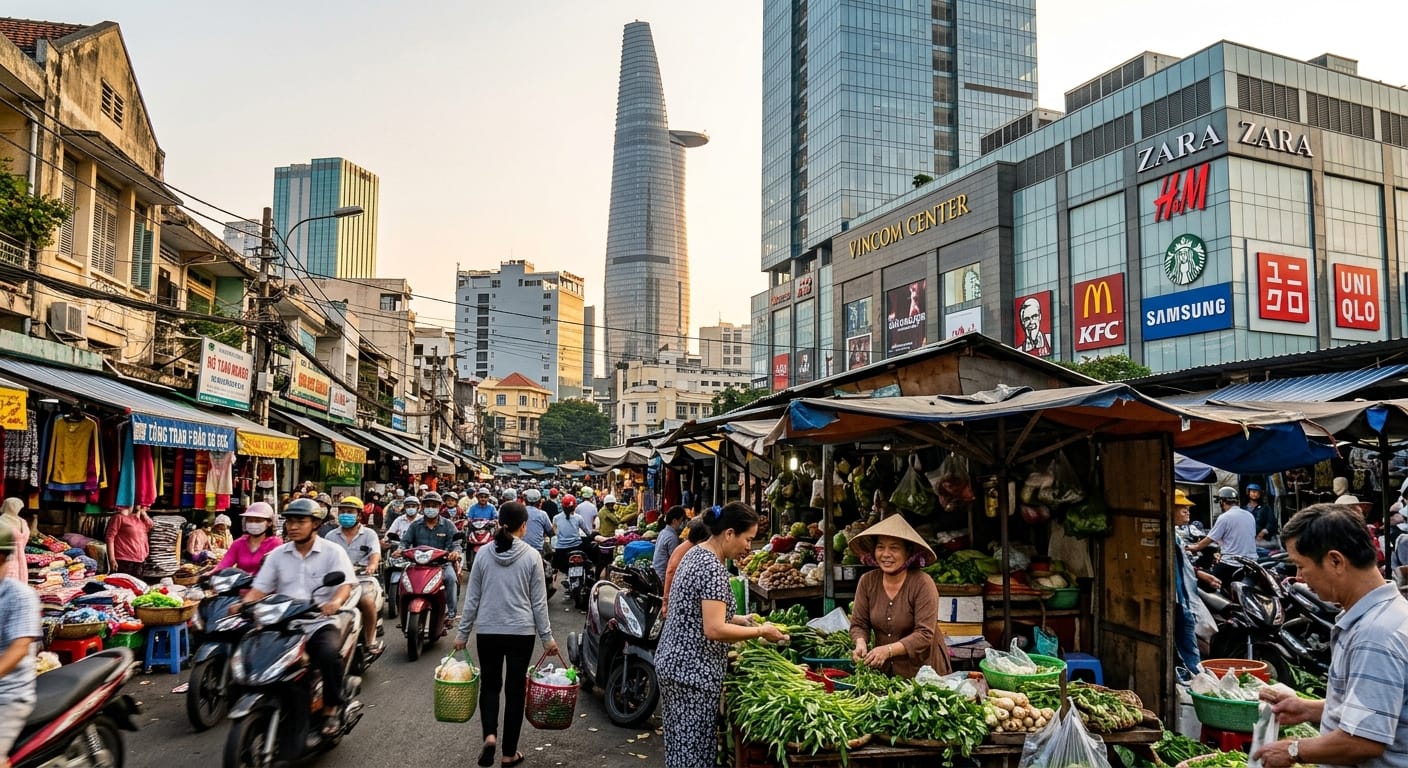
Globalization has become one of the most influential forces shaping the modern world. It refers to the increasing interconnectedness of countries through trade, technology, investment, communication, and cultural exchange. While globalization has opened doors to economic growth and innovation, it has also created significant challenges, especially for local economies.
Understanding the impact of globalization on local economies is essential for policymakers, businesses, and individuals. It helps us recognize both the opportunities and risks associated with a globalized world and find ways to balance global integration with local sustainability.
What Is Globalization?
Globalization is the process by which businesses, technologies, ideas, and cultures spread across international borders. It is driven by:
- Advances in technology
- International trade agreements
- Foreign direct investment
- Global supply chains
What Are Local Economies?
Local economies refer to economic systems within a specific geographic area, such as a city, region, or country. They include:
- Small businesses
- Local industries
- Labor markets
- Community-based services
Local economies are essential for employment, cultural identity, and sustainable development.
The Positive Impacts of Globalization on Local Economies
1. Economic Growth and Development
Globalization creates opportunities for local businesses to expand beyond domestic markets.
Benefits include:
- Increased exports
- Access to larger markets
- Higher revenue potential
Countries that integrate into the global economy often experience faster growth.
2. Job Creation
Foreign investment and multinational companies create employment opportunities.
This leads to:
- Increased income levels
- Skill development
- Improved living standards
3. Access to Technology and Innovation
Globalization allows local economies to access advanced technologies.
This improves:
- Productivity
- Efficiency
- Competitiveness
4. Increased Consumer Choices
Consumers benefit from a wider variety of goods and services.
This includes:
- Lower prices
- Better quality products
- More options
5. Infrastructure Development
Global investment often leads to improved infrastructure such as:
- Transportation
- Communication networks
- Energy systems
6. Knowledge and Skill Transfer
Globalization facilitates the exchange of knowledge and expertise.
Workers gain:
- New skills
- International experience
- Better training
The Negative Impacts of Globalization on Local Economies
1. Loss of Local Businesses
Small businesses may struggle to compete with multinational corporations.
This can lead to:
- Business closures
- Reduced local entrepreneurship
2. Job Displacement
While globalization creates jobs, it can also lead to job losses in certain sectors.
For example:
- Outsourcing
- Automation
- Industry shifts
3. Income Inequality
Globalization can widen the gap between rich and poor.
Benefits are often unevenly distributed.
4. Cultural Erosion
Global influences can overshadow local traditions and cultures.
This affects:
- Cultural identity
- Local practices
5. Environmental Impact
Increased industrial activity can harm the environment.
Issues include:
- Pollution
- Resource depletion
- Climate change
6. Dependence on Global Markets
Local economies may become dependent on global demand.
This increases vulnerability to:
- Economic shocks
- Market fluctuations
The Role of Technology in Globalization
Technology is a key driver of globalization.
It enables:
- Instant communication
- Online commerce
- Global collaboration
Globalization and Small Businesses
Small businesses face both opportunities and challenges.
Opportunities:
- Access to global markets
- Online platforms for sales
Challenges:
- Increased competition
- Limited resources
Adapting to globalization is crucial for survival.
The Impact on Labor Markets
Globalization affects employment patterns.
Positive effects:
- Job creation
- Skill development
Negative effects:
- Job insecurity
- Wage pressure
Globalization and Income Distribution
The benefits of globalization are not evenly distributed.
- Developed regions often gain more
- Developing areas may face challenges
Addressing inequality is a key concern.
The Role of Governments
Governments play a crucial role in managing globalization.
They can:
- Implement fair trade policies
- Support local businesses
- Invest in education and training
Policies help balance global and local interests.
Strategies to Strengthen Local Economies
Support Local Businesses
Encourage buying local products and services.
Invest in Education and Skills
Prepare workers for global competition.
Promote Innovation
Encourage entrepreneurship and creativity.
Develop Sustainable Practices
Focus on long-term environmental and economic health.
Build Resilient Infrastructure
Strengthen systems to withstand global shocks.
Globalization and Sustainability
Sustainable globalization aims to balance economic growth with environmental protection and social equity.
It focuses on:
- Responsible production
- Ethical practices
- Environmental conservation
The Future of Globalization and Local Economies
The future will likely involve:
- Greater digital integration
- More regional trade agreements
- Increased focus on sustainability
Local economies must adapt to remain competities
FAQs
What is globalization?
It is the process of global integration through trade, technology, and culture.
How does globalization affect local economies?
It creates opportunities for growth but also challenges such as competition.
What are the benefits of globalization?
Economic growth, job creation, and access to technology.
What are the disadvantages?
Job displacement, inequality, and environmental issues.
How can local economies adapt?
By investing in skills, innovation, and sustainability.
Does globalization increase inequality?
It can, if benefits are not evenly distributed.
What role do governments play?
They create policies to manage globalization.
Can small businesses benefit from globalization?
Yes, with access to global markets and technology.
How does technology influence globalization?
It enables communication, trade, and collaboration.
What is the future of globalization?
More digital and sustainable integration.
Conclusion
The impact of globalization on local economies is complex and multifaceted. While it offers significant opportunities for growth, innovation, and development, it also presents challenges that must be carefully managed.
By understanding these dynamics and implementing effective strategies, governments, businesses, and individuals can harness the benefits of globalization while protecting local interests. The key lies in creating a balanced approach that promotes economic progress without compromising sustainability and cultural identity.
Globalization is not inherently good or bad—it is a powerful force that, when managed wisely, can lead to shared prosperity and a more connected world.