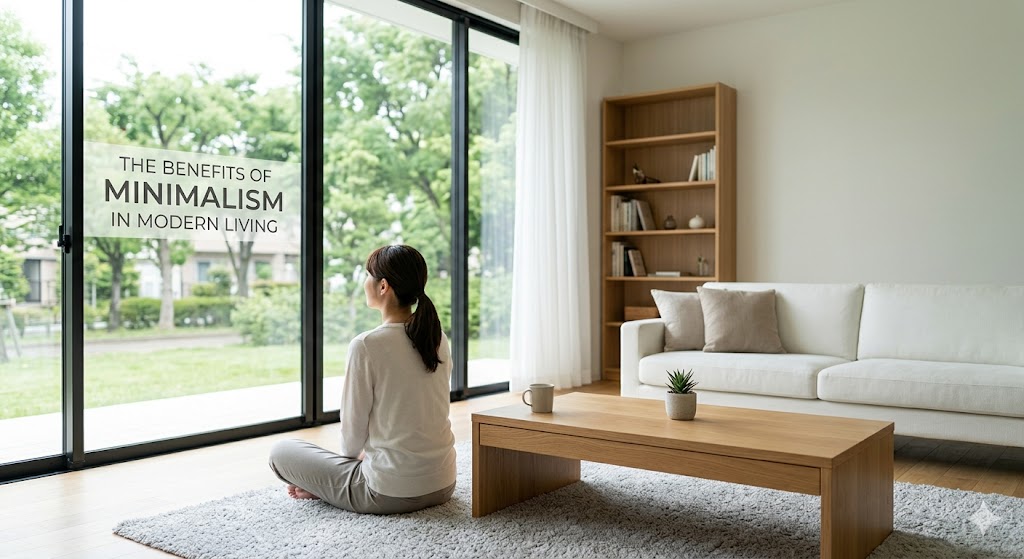
In today’s fast-paced, consumer-driven world, many people find themselves overwhelmed by clutter, stress, and constant demands on their time and attention. Minimalism has emerged as a powerful lifestyle approach that offers an alternative—one focused on simplicity, intentionality, and clarity.
Minimalism is not about deprivation or living with nothing. Instead, it is about removing what is unnecessary so you can focus on what truly matters. By embracing minimalism, individuals can improve their mental well-being, financial stability, and overall quality of life.
What Is Minimalism?
Minimalism is a lifestyle that emphasizes simplicity by reducing excess possessions, commitments, and distractions. It encourages intentional living—making conscious choices about what you own, how you spend your time, and what you prioritize.
The philosophy has been popularized by modern advocates like Joshua Fields Millburn and Ryan Nicodemus, who emphasize living with less to create more meaning.
Why Minimalism Matters in Modern Living
Modern life often promotes accumulation—more possessions, more responsibilities, more digital noise. This can lead to:
- Stress and anxiety
- Financial pressure
- Lack of focus
- Reduced life satisfaction
Minimalism counters these challenges by simplifying life and creating space for meaningful experiences.
Key Benefits of Minimalism
1. Reduced Stress and Anxiety
Clutter—both physical and mental—can increase stress levels.
Minimalism helps by:
- Creating organized spaces
- Reducing decision fatigue
- Promoting calm environments
A simplified environment leads to a clearer mind.
2. Improved Focus and Productivity
When distractions are minimized, it becomes easier to concentrate.
Benefits include:
- Better time management
- Increased efficiency
- Higher quality work
Minimalism allows you to focus on what truly matters.
3. Financial Freedom
Minimalism encourages mindful spending.
This leads to:
- Reduced unnecessary expenses
- Increased savings
- Less financial stress
By buying only what you need, you gain greater control over your finances.
4. Greater Clarity and Purpose
Minimalism helps you identify your priorities.
You begin to focus on:
- Personal growth
- Relationships
- Meaningful goals
This clarity leads to a more purposeful life.
5. Enhanced Mental Well-Being
A minimalist lifestyle promotes mental peace.
It reduces:
- Overwhelm
- Anxiety
- Mental clutter
6. Better Work-Life Balance
Minimalism encourages intentional use of time.
You can:
- Reduce overcommitment
- Prioritize important activities
- Create time for rest and leisure
7. Stronger Relationships
By focusing less on material things, you can invest more in relationships.
Minimalism promotes:
- Quality time
- Meaningful connections
- Emotional presence
8. Environmental Benefits
Minimalism supports sustainability.
It reduces:
- Waste
- Overconsumption
- Environmental impact
Living with less contributes to a healthier planet.
9. Increased Freedom and Flexibility
Fewer possessions and commitments mean greater freedom.
You can:
- Move more easily
- Adapt to change
- Explore new opportunities
10. Improved Decision-Making
With fewer choices, decision-making becomes easier.
Minimalism reduces:
- Decision fatigue
- Overthinking
This leads to better and faster decisions.
Minimalism Beyond Physical Possessions
Minimalism is not just about decluttering your home—it applies to all areas of life.
Digital Minimalism
Reducing screen time and digital distractions.
This includes:
- Limiting social media use
- Managing notifications
- Organizing digital files
Time Minimalism
Focusing on how you spend your time.
- Prioritize meaningful activities
- Eliminate unnecessary commitments
Mental Minimalism
Clearing mental clutter through:
- Mindfulness
- Journaling
- Reflection
How to Start a Minimalist Lifestyle
1. Declutter Your Space
Start with one area:
- Closet
- Desk
- Room
Remove items you no longer need.
2. Adopt a Mindful Approach to Buying
Before purchasing, ask:
- Do I really need this?
- Will it add value to my life?
3. Focus on Quality Over Quantity
Invest in fewer, higher-quality items.
4. Simplify Your Schedule
Reduce unnecessary commitments and focus on priorities.
5. Practice Gratitude
Appreciate what you already have instead of seeking more.
6. Set Clear Priorities
Identify what matters most and align your actions accordingly.
Common Misconceptions About Minimalism
Minimalism Means Living with Nothing
It’s about intentional living, not deprivation.
It’s Only About Decluttering
Minimalism includes mindset, habits, and priorities.
It’s Not Practical for Everyone
Minimalism can be adapted to any lifestyle.
Challenges of Minimalism
- Letting go of possessions
- Breaking consumer habits
- Social pressure
- Emotional attachment to items
Overcoming these challenges requires patience and commitment.
Minimalism in Different Areas of Life
Home
Creating a clean and organized living space.
Work
Reducing distractions and improving productivity.
Finances
Spending wisely and saving more.
Relationships
Focusing on meaningful connections.
Long-Term Impact of Minimalism
- Increased happiness
- Reduced stress
- Financial stability
- Greater life satisfaction
- Enhanced personal growth
What is minimalism?
A lifestyle focused on simplicity and intentional living.
What are the benefits of minimalism?
Reduced stress, financial freedom, and improved focus.
How do I start minimalism?
Begin by decluttering and simplifying your life.
Is minimalism expensive?
No, it often reduces spending.
Can minimalism improve mental health?
Yes, it reduces stress and promotes clarity.
Is minimalism only about possessions?
No, it includes time, mindset, and habits.
How long does it take to become minimalist?
It is a gradual process.
Can families adopt minimalism?
Yes, it can be adapted for all lifestyles.
Does minimalism mean no luxury?
No, it means choosing what truly adds value.
Is minimalism sustainable?
Yes, it supports environmental sustainability.
Conclusion
Minimalism offers a powerful solution to the challenges of modern living. By focusing on what truly matters and eliminating excess, it allows individuals to live more intentionally and meaningfully.
The benefits extend beyond physical spaces to mental clarity, financial stability, and emotional well-being. While the journey may require effort and adjustment, the rewards are significant and long-lasting.
In a world that constantly encourages more, minimalism reminds us that less can truly be more. By embracing simplicity, you can create a life that is not only lighter but also richer in purpose, fulfillment, and joy.