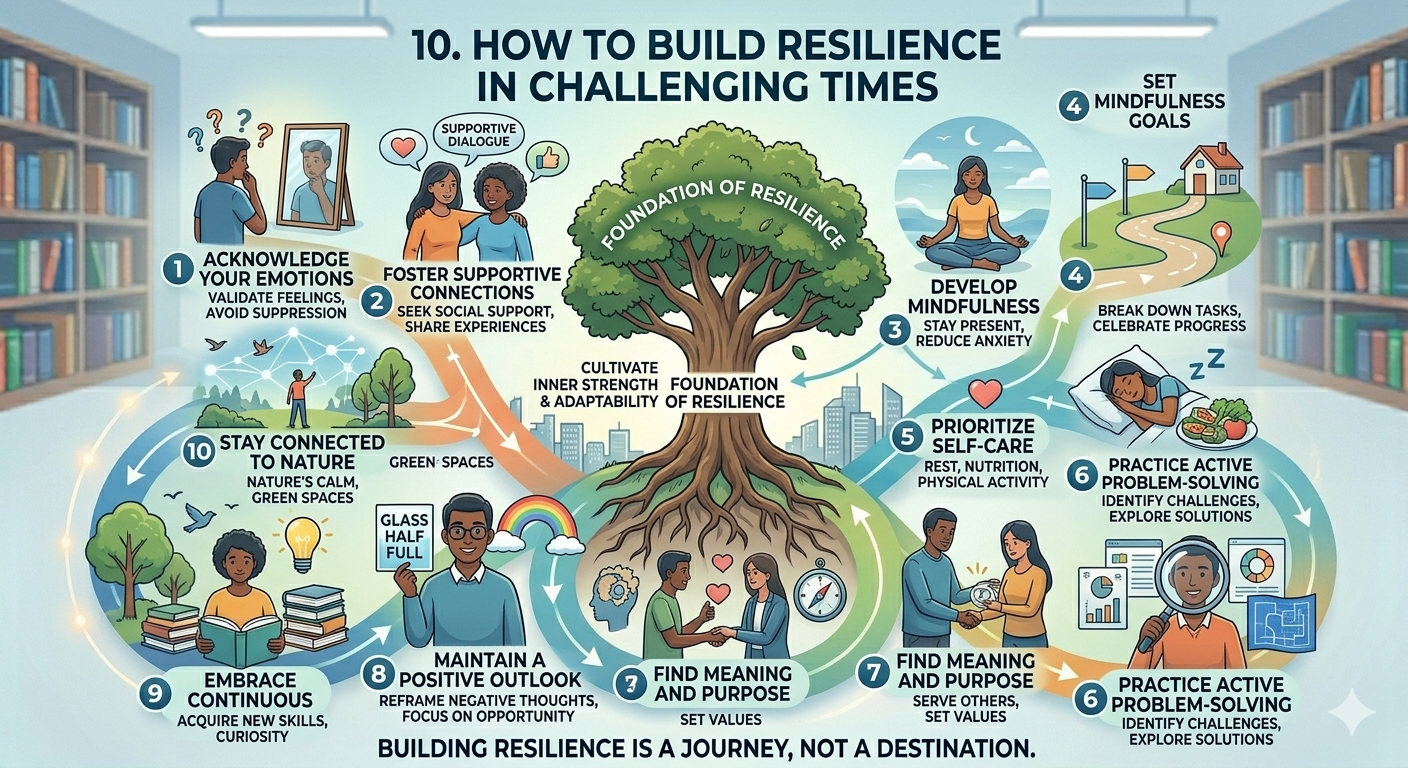
Life is unpredictable. At some point, everyone faces adversity—whether it’s personal loss, financial hardship, career setbacks, health issues, or global crises. What separates those who struggle to cope from those who adapt and grow is resilience. Resilience is not about avoiding difficulty; it’s about developing the strength to navigate challenges, recover from setbacks, and emerge stronger.
In today’s fast-changing world, building resilience is more important than ever. It helps individuals maintain mental well-being, stay focused under pressure, and continue moving forward despite uncertainty.
What Is Resilience?
Resilience is the ability to bounce back from adversity, adapt to change, and keep going in the face of challenges. It involves emotional strength, mental flexibility, and a positive outlook.
According to the
American Psychological Association
resilience is not a fixed trait—it can be developed over time through behaviors, thoughts, and actions.
Why Resilience Matters
Resilience plays a crucial role in how we respond to stress and adversity. It helps you:
- Manage stress effectively
- Maintain emotional balance
- Adapt to change
- Overcome obstacles
- Stay motivated and focused
People with strong resilience are better equipped to handle life’s ups and downs.
The Psychology of Resilience
Resilience is rooted in psychological processes that influence how we perceive and respond to challenges.
Key elements include:
Emotional Regulation
The ability to manage emotions during stressful situations.
Cognitive Flexibility
The capacity to adapt thinking and consider different perspectives.
Optimism
Maintaining a hopeful outlook even in difficult times.
Self-Efficacy
Belief in one’s ability to handle challenges.
Research from
Mayo Clinic
highlights the importance of these factors in building resilience.
Common Misconceptions About Resilience
Resilience Means Being Strong All the Time
In reality, resilient people experience emotions like sadness and fear but manage them effectively.
Resilience Is Inborn
It is a skill that can be learned and strengthened.
Resilience Eliminates Stress
It doesn’t remove stress but helps you cope with it better.
Factors That Influence Resilience
Several factors contribute to resilience:
- Supportive relationships
- Positive mindset
- Healthy lifestyle
- Problem-solving skills
- Sense of purpose
Understanding these factors helps in building resilience intentionally.
Practical Strategies to Build Resilience
1. Develop a Positive Mindset
Your mindset shapes how you perceive challenges. Focus on:
- Opportunities for growth
- Lessons from setbacks
- Possibilities rather than limitations
2. Strengthen Emotional Awareness
Recognize and understand your emotions. This helps in managing reactions and maintaining balance.
3. Build Strong Relationships
Support systems are essential. Connect with:
- Family
- Friends
- Mentors
Social support provides comfort and guidance during tough times.
4. Practice Self-Care
Taking care of your physical and mental health is crucial.
- Exercise regularly
- Maintain a balanced diet
- Get enough sleep
5. Set Realistic Goals
Break challenges into manageable steps. This makes problems less overwhelming.
6. Improve Problem-Solving Skills
Approach challenges logically:
- Identify the problem
- Explore solutions
- Take action
7. Learn to Adapt
Flexibility is key to resilience. Accept change and adjust your approach when needed.
8. Maintain Perspective
Avoid magnifying problems. Keep a broader view of the situation.
9. Practice Mindfulness
Mindfulness helps you stay present and reduce stress.
- Meditation
- Deep breathing
- Journaling
10. Focus on What You Can Control
Let go of things beyond your control and focus on actionable steps.
Building Resilience in Different Areas of Life
Personal Life
Resilience helps manage relationships, health challenges, and personal growth.
Professional Life
In the workplace, resilience supports:
- Handling pressure
- Adapting to changes
- Maintaining productivity
During Global Crises
Events like pandemics or economic downturns require collective resilience and adaptability.
The Role of Habits in Resilience
Daily habits shape resilience over time. Build habits such as:
- Gratitude practice
- Regular exercise
- Continuous learning
These habits strengthen mental and emotional resilience.
Resilience and Mental Health
Resilience protects mental health by reducing the impact of stress and adversity.
It helps prevent:
- Anxiety
- Depression
- Burnout
However, seeking professional help is important when needed.
Overcoming Setbacks
Setbacks are inevitable. To overcome them:
- Accept the situation
- Learn from the experience
- Move forward with new strategies
Resilient individuals view setbacks as temporary and manageable.
The Role of Optimism
Optimism doesn’t mean ignoring reality. It means maintaining hope and focusing on solutions.
Optimistic individuals:
- Stay motivated
- Handle stress better
- Recover faster from setbacks
Developing Resilience in Children
Teaching resilience early helps children:
- Handle challenges
- Build confidence
- Develop problem-solving skills
Parents and educators can encourage resilience by:
- Supporting independence
- Encouraging effort
- Teaching coping strategies
Long-Term Benefits of Resilience
- Improved mental health
- Greater adaptability
- Increased confidence
- Better relationships
- Enhanced overall well-being
Resources for Building Resilience
Educational resources and programs can support resilience development. Platforms like
Coursera
offer courses on mental well-being and resilience.
FAQs
What is resilience?
Resilience is the ability to recover from challenges and adapt to difficult situations.
Can resilience be learned?
Yes, it can be developed through practice and experience.
Why is resilience important?
It helps manage stress, overcome challenges, and maintain well-being.
How can I become more resilient?
Practice positive thinking, build relationships, and develop coping strategies.
What are signs of resilience?
Adaptability, optimism, emotional control, and perseverance.
How does resilience affect mental health?
It reduces stress and protects against mental health issues.
Can children develop resilience?
Yes, with guidance and supportive environments.
What role does mindset play in resilience?
A positive mindset helps in handling challenges effectively.
How long does it take to build resilience?
It varies, but consistent effort leads to improvement over time.
Is resilience the same as toughness?
No, resilience involves flexibility and emotional awareness, not just toughness.
Conclusion
Building resilience in challenging times is essential for navigating life’s uncertainties. It empowers individuals to face adversity with strength, adapt to change, and continue moving forward.
Resilience is not a fixed trait—it is a skill that can be developed through intentional effort, self-awareness, and practice. By cultivating positive habits, strengthening relationships, and maintaining a growth-oriented mindset, you can build the resilience needed to thrive in any situation.
No matter how difficult circumstances may seem, resilience reminds us that challenges are temporary and growth is always possible.